How to Moisturize Dog Paws: 4 Vet-Approved Tips


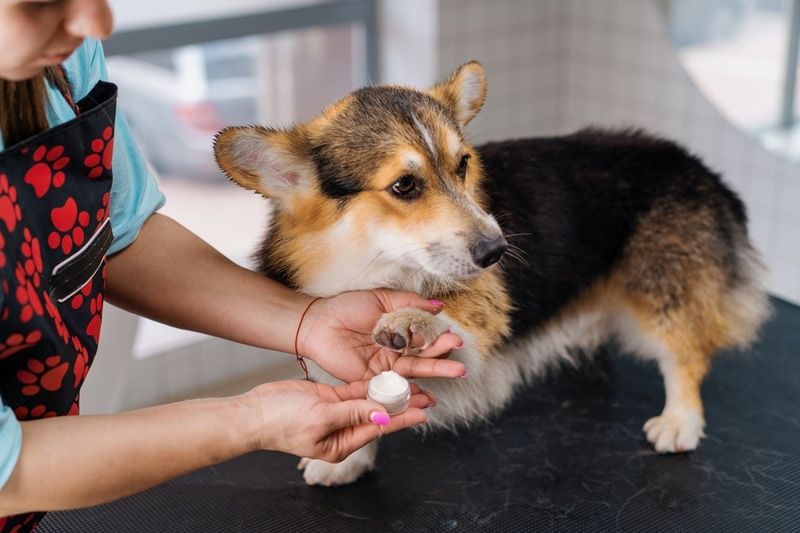
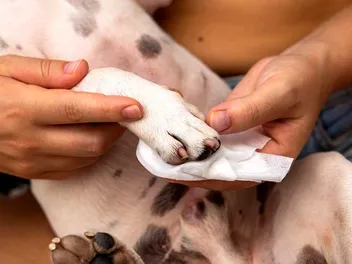
Your dog’s paws take a beating every day, especially if they frequently run and play on rough terrain. Keeping their feet and pads strong and healthy is essential. Just like humans, dogs can suffer from dry skin or, in this case, dry paw pads. If you’re curious about what you can use to keep your dog’s feet soft and hydrated, we have you covered. Here are four tips for how to moisturize dog paws, as well as some additional steps for paw care.

The 4 Tips to Moisturizing Dog Paws
1. Vitamin E Cream or Oil
One option to keep your dog’s paws moisturized is to apply Vitamin E cream or oil directly to the pads. Vitamin E is an antioxidant that can benefit dogs with skin issues. It can be absorbed through the skin when applied directly and is also found in nutritionally balanced dog food. However, it is best to check with your veterinarian before using any Vitamin E product on your dog. Too much Vitamin E can impact your dog’s blood clotting abilities.
2. Petroleum Jelly (Vaseline)
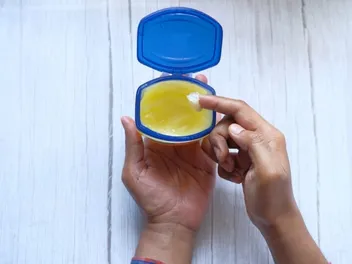
You’ll find one of the simplest options to moisturize your dog’s paws in your bathroom cabinet. Petroleum jelly or Vaseline is inexpensive, convenient, and can be safely applied to your dog’s paws in small amounts.
Use the smallest amount possible, and make sure you rub it into your dog’s pads thoroughly. Be aware that your dog may leave oily pawprints on carpets or wood floors after you apply this product. Vaseline can also help protect your dog’s paws when walking on snow or ice in cold weather.
3. Dog-Safe Moisturizer or Paw Balm
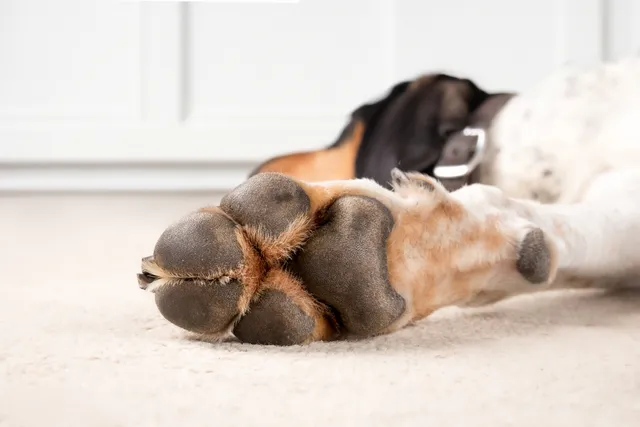
Never use human moisturizers or lotions on your dog. Instead, look for a product designed specifically for dogs to moisturize your pet’s paws. Human skin care products can make your dog’s pads too soft. Your dog relies on strong, tough paw pads to protect them while walking on hard or rough surfaces. Soft paw pads increase the risk of injury. Dog moisturizers are available in various forms, including creams and sticks. Follow all directions for safe application.

4. Paw Wax
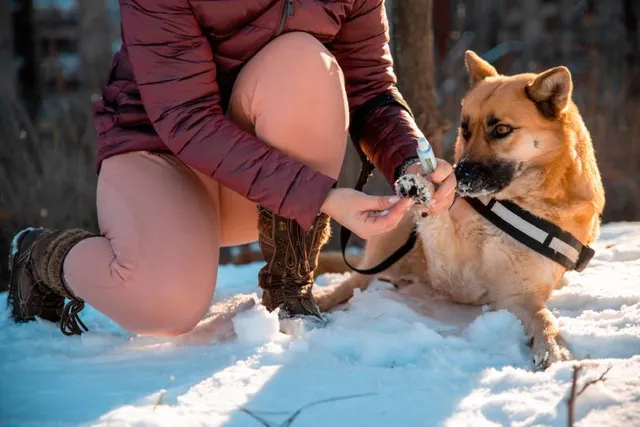
Paw wax, designed to protect the feet of working sled dogs, can be used to moisturize and protect your dog’s paws. It is especially beneficial in cold weather climates. You can coat your dog’s paws in wax before playing or walking outside in icy and snowy conditions.
Rough winter terrain and products used to melt snow and ice can be rough on your dog’s paws. In addition, dry winter air and heated indoor environments can chap your dog’s paws as it does your skin. Applying paw wax is an excellent option for caring for your dog’s feet in these conditions.
Additional Tips for Dog Paw Care
In addition to keeping your dog’s paws moisturized, here are a few other steps to keep their feet healthy and safe.
- First, keep your pup’s nails trimmed short. Long nails can make walking harder for your dog, especially on slick surfaces. They can also become snagged and torn more easily.
- If your dog has long hair growing between their pads, keep that trimmed as well. This step is especially vital if you live in a cold climate. Snow and ice can quickly build up in this fur, leading to discomfort and injury.
- Do not walk your dog on hot asphalt, which can lead to painful paw burns. Consider using protective booties if you must walk your dog on the pavement in the summer. Booties are also helpful in protecting your dog’s feet in winter or hiking over rough terrain.
- Frequently check your dog’s paws for injuries or foreign objects that might have gotten stuck in their pads. Consult your veterinarian if your dog frequently licks and chews at their paws. Excessive licking can be a sign of allergies or a behavioral problem.

Conclusion
Few injuries can impact your dog’s life as much as painful feet. As we discussed, you can follow these four tips to keep your pup’s paws moisturized and monitor them carefully for any concerning signs. Rarely, dry and cracked pads may be a symptom of an underlying health condition, so always get them checked by your vet if your pup is having ongoing problems with their paws. Preventing paw problems is usually easier than treating them, so don’t neglect foot care during your dog’s regular grooming routine.
Related Reads:
How to Care for Your Dog’s Paws: 8 Vet-Approved Tips and Tricks
Why Are My Dogs Paws So Rough: 5 Vet-Verified Reasons & Protection Tips
Sources
Featured Image Credit: guys_who_shoot Shutterstock
Expert dog care, straight to your inbox
News, insights, expert advice, and everything dog.

No spam — unsubscribe anytime.
By signing up, you agree to our Terms & Conditions and Privacy & Cookies Policy.
How useful was this post?
Click a star to rate. You can leave written feedback afterwards. (We read all feedback.)
Elizabeth Gray is a lifelong lover of all animals great and small. She got her first cat at 5 years old and at 14, she started working for her local veterinarian. Elizabeth spent more than 20 years working as a veterinary nurse before stepping away to become a stay-at-home parent to her daughter. Now, she is excited to share her hard-earned knowledge (literally--she has scars) with the readers. Elizabeth lives in Iowa with her family, including her two furry kids, Linnard, a husky mix and Algernon, the worldʻs most patient cat. When not writing, she enjoys reading, watching all sports but especially soccer, and spending time outdoors with her family.